Website designed with the B12 website builder. Create your own website today.
Start for free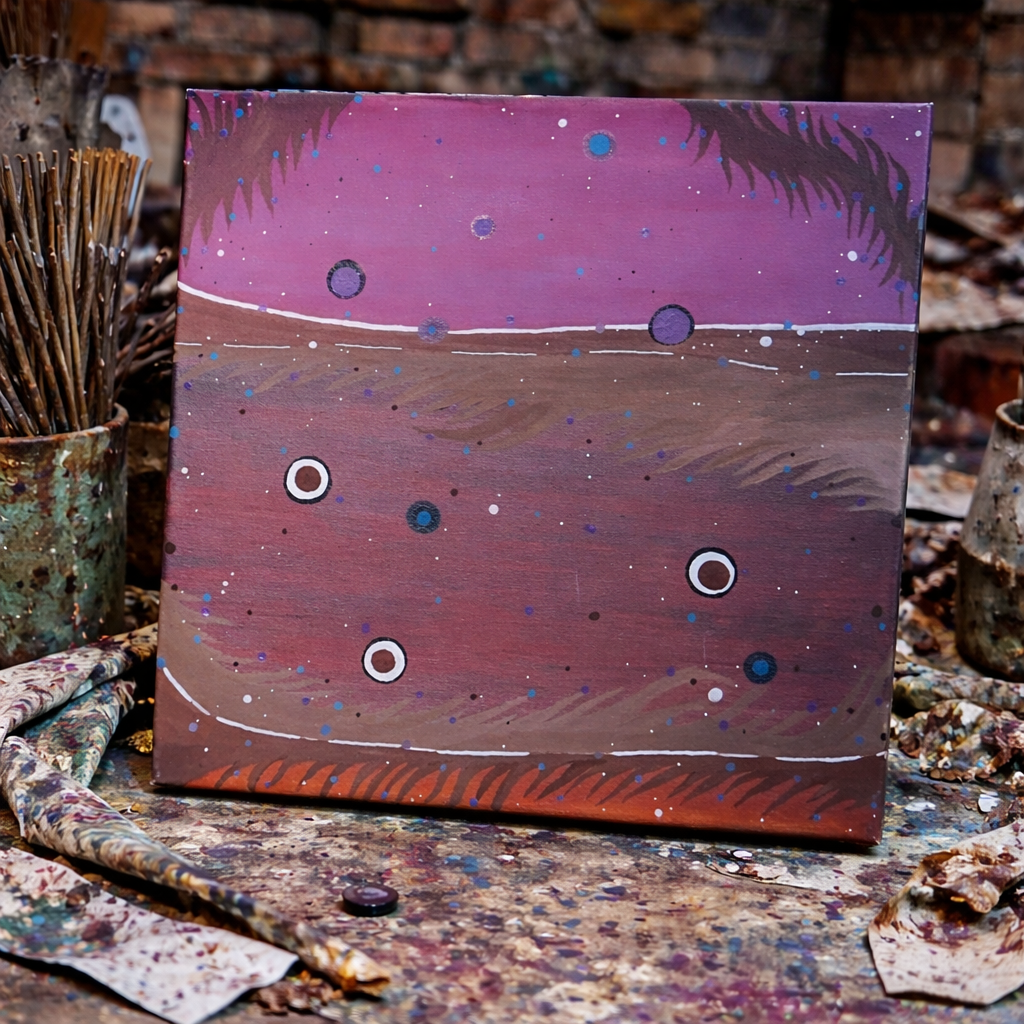
Art possesses an incredible ability to heal, inviting individuals to embark on a transformative journey that nurtures emotional well-being. As we explore the depths of human experience, creativity emerges as a powerful tool for expression and connection. In this blog post, we will discover the transformative power of art in emotional healing, revealing how engaging with various artistic forms can unlock profound insights, foster resilience, and ultimately pave the way for recovery and reconciliation.
Through creative expression, we learn to navigate our emotions, confront our struggles, and find solace in shared experiences. By examining how art enhances emotional resilience and well-being, we will uncover the myriad ways individuals can harness their creativity to mend and grow. Furthermore, we will share real-life stories of transformative art experiences that have touched hearts and changed lives, illustrating the profound impact art can have on our healing journeys. Join us as we delve into the beautiful world of artistic healing and discover how embracing art can lead to transformative emotional breakthroughs.
Discover the transformative power of art: A journey toward emotional healing
Art has long served as a powerful medium for self-expression, allowing individuals to connect deeply with their emotions. When we engage with art—be it through painting, music, dance, or writing—we tap into a wellspring of creativity that can transform our emotional landscape. This transformative power of art can guide us on a journey of healing, helping us confront and process complex feelings. By immersing ourselves in creative activities, we unlock a space for reflection and understanding, enabling us to navigate our emotional struggles more effectively.
The process of creation itself becomes a therapeutic practice, offering an outlet for emotions that may otherwise remain bottled up. As we discover new techniques and styles, we also uncover layers of our psyche, facilitating a cathartic release. Engaging with art encourages mindfulness, drawing our focus into the present moment and promoting a sense of calm and clarity. When we embrace art as a tool for healing, we embark on a profound journey toward emotional resilience, ultimately empowering ourselves to face life’s challenges with renewed strength and perspective.
How creative expression fosters emotional resilience and well-being
Creative expression serves as a vital outlet for individuals seeking to navigate their emotional landscapes. When people engage in artistic practices such as painting, writing, or music, they often find a safe space to explore their feelings and experiences. Art acts as a bridge to emotions that may be difficult to articulate, allowing individuals to externalize their inner struggles on canvas or paper. This cathartic release not only relieves emotional tension but also encourages deeper self-reflection, promoting greater awareness of one's thoughts and feelings. As a result, many individuals emerge from their creative endeavors with a newfound sense of clarity and understanding.
Moreover, engaging in art can significantly boost emotional resilience, equipping individuals with the tools to cope with life's challenges. By consistently practicing creativity, people build a sense of agency and control over their emotional states. The process of creation itself fosters a mindset of exploration and experimentation, encouraging individuals to embrace vulnerability without the fear of judgment. As they confront their emotional barriers through their art, they develop skills that extend beyond the canvas, enhancing their capacity to face future adversities with confidence. In this way, art becomes a powerful ally in the journey of emotional healing, providing both solace and strength along the way.
Real-life stories: Transformative art experiences that heal the heart
Many individuals have discovered the profound impact that art can have on their emotional healing journey. For example, Sarah, a trauma survivor, took up painting as a form of self-expression after years of feeling trapped by her past. Each brushstroke allowed her to release pent-up emotions that had long been stifling her. By creating vibrant landscapes, she not only depicted her inner turmoil but also charted her path toward healing. Sarah’s artwork evolved from dark, chaotic images to bright, hopeful scenes, mirroring her progress in therapy and her newfound emotional resilience.
Similarly, John, a veteran struggling with PTSD, found solace in woodworking. Crafting intricate furniture pieces became his therapeutic outlet, granting him the opportunity to channel his distress into something beautiful. As he shaped raw wood into functional art, he learned to embrace mindfulness, focusing on the texture and grain rather than his painful memories. John's journey illustrates how art not only serves as a medium for expression but also fosters connection and growth. These stories exemplify the transformative power of art in healing, showcasing how creative endeavors can ignite the path to emotional recovery.